FOCUS on AFB: Winter 2026
Focal Point
2025 AFBLC Unites Voices Across the Blindness Field
The American Foundation for the Blind (AFB) held its annual AFB Leadership Conference (AFBLC) in November 2025, bringing together thought leaders, scholars, and allies in the field of blindness and low vision. The three-day event, which took place in Arlington, Virginia, across from our nation’s capital, came at a critical time amid a rapidly changing landscape in the field. Since 1986, AFBLC has served as one of the premier gatherings dedicated to accelerating progress in independence, inclusion, and opportunity for people who are blind or have low vision. Each year, the conference serves as a catalytic space for collaboration, learning, and the advancement of systemic change.
This year’s conference theme was “Leading Together: Leveraging Change to Advance Our Shared Vision.” Conference plenaries and breakout sessions focused on changes in government and the swiftly accelerating technological shifts taking place throughout society.
With more than 150 attendees, the conference kicked off with an opening plenary featuring leaders from national organizations representing both the blindness field and consumer advocacy groups. Each voice echoed current concerns impacting the U.S. Department of Education, particularly those surrounding reductions in the federal government’s Office of Special Education and Rehabilitation Services. At the same time, leaders shared optimism about the significant progress being made through advancements in artificial intelligence (AI).
Subsequent sessions held during the conference covered three primary tracks, focusing on the current state of the blindness field; the rapidly changing social landscape tied to advances in technology such as artificial intelligence; and key issues on the horizon for the next generation of leaders serving the community.
Recognizing Leaders in the Field
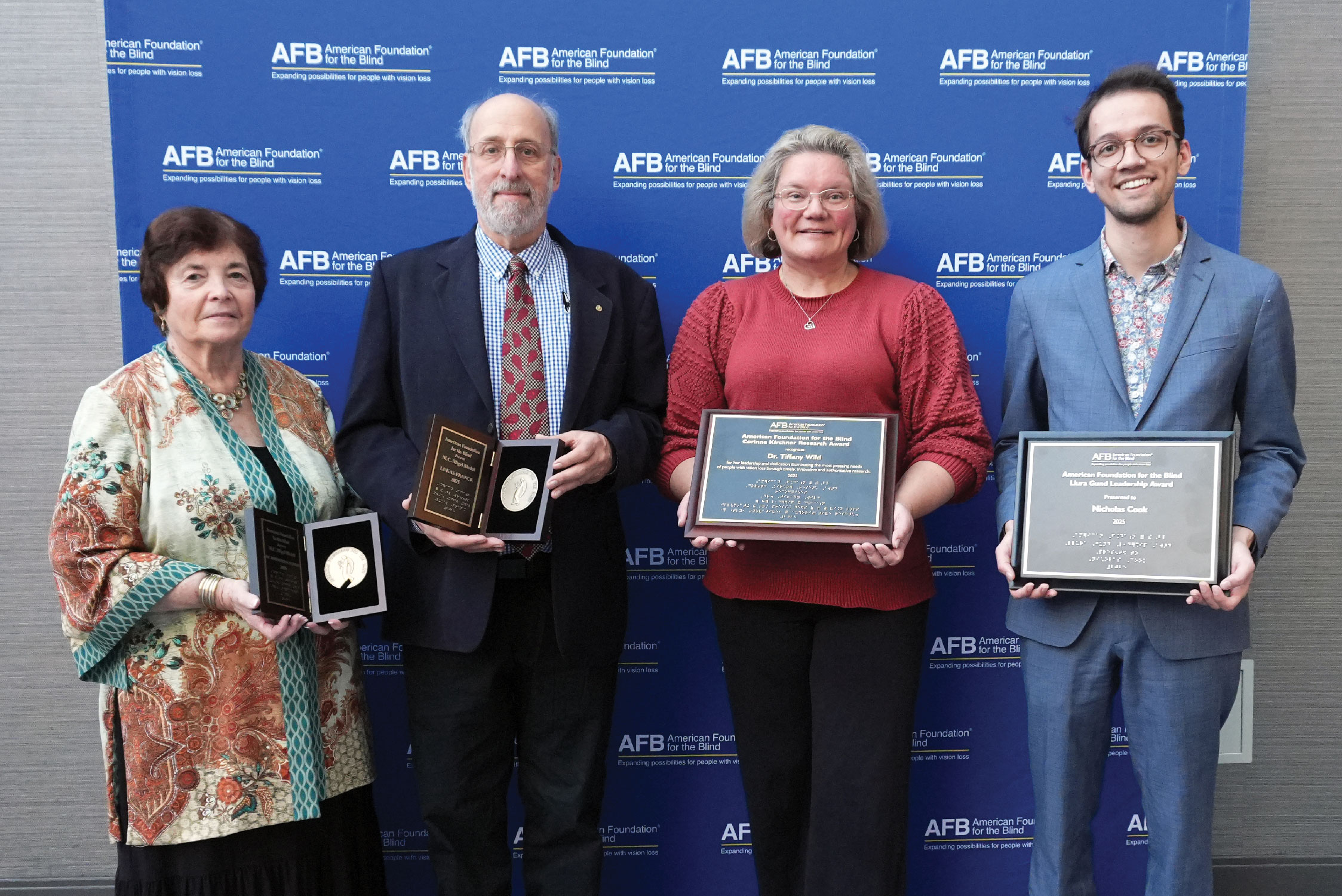
During AFBLC 2025, AFB recognized outstanding leaders advancing independence and opportunity for people who are blind or have low vision. Migel Medal recipients included Dr. Bernadette Kappen and Lukas Franck, as well as Louis Braille, who was honored posthumously on the 200th anniversary of his development of the tactile reading method. Additional honorees included Dr. Tiffany Wild, recipient of the Corinne Kirchner Research Award, and Nicholas Cook, recipient of the Llura Gund Achievement Award.
AFB Showcase
Blind Barbie Breaks Down Misconceptions in West Virginia
This past December, AFB was excited to bring the magic of Blind Barbie to young students in Huntington, West Virginia, as AFB visited local schools and donated dolls to students and classrooms ahead of the holiday break.
“This doll isn’t just about inclusion for blind children; it’s a vital tool for sighted children to learn that blindness is simply a normal part of the human experience,” said Haley Linville, AFB’s business services manager, who led the effort to distribute the dolls to area classrooms.
The Huntington schools that received Blind Barbies included Southside Elementary School, St. Joseph’s Preschool, Discovery Tree Montessori, Fifth Avenue Baptist Preschool, and all three campuses of Ridge Kids Academy.
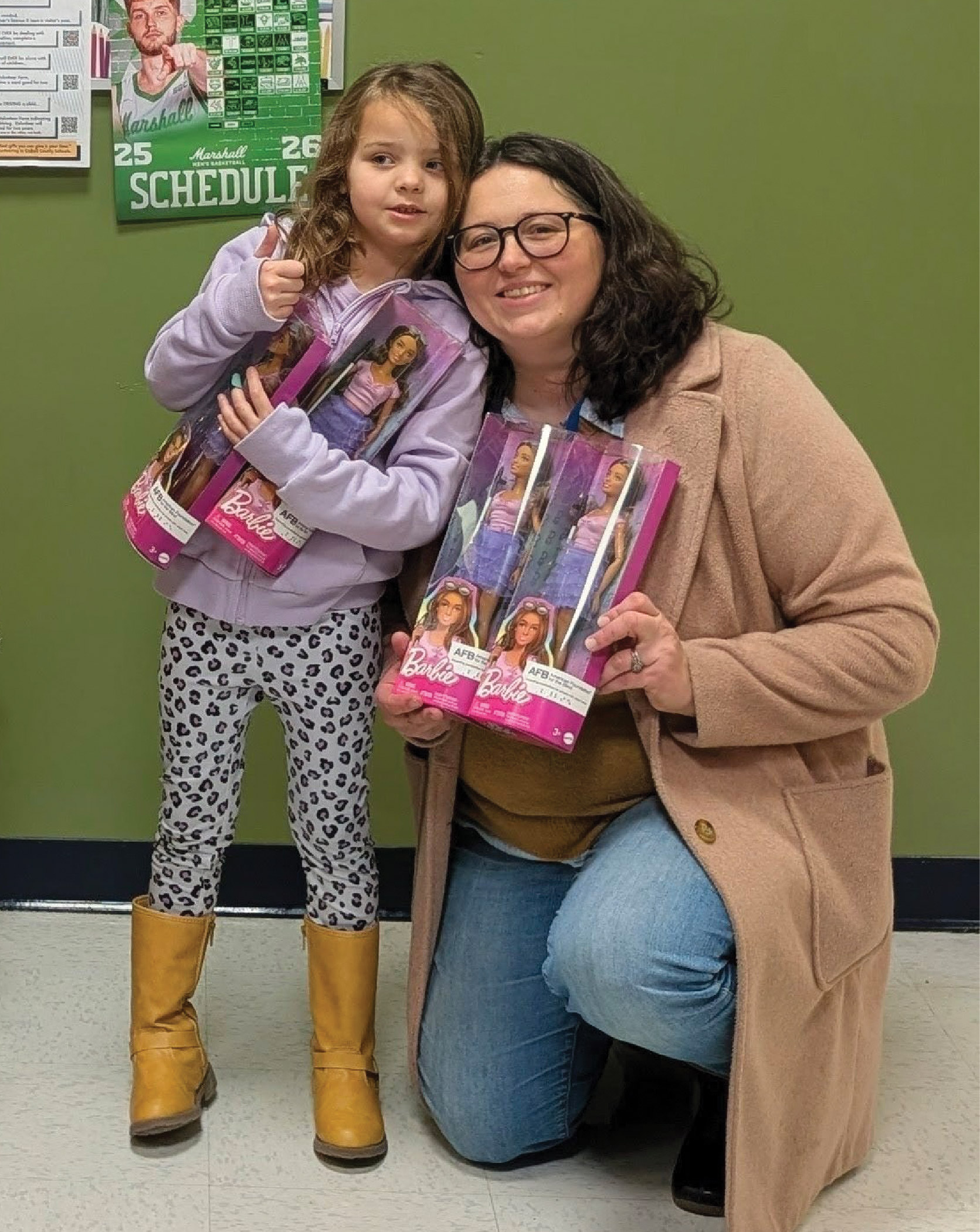
The donation of the dolls will help children build a sense of inclusion and awareness through play, a key hallmark of Mattel’s Fashionista Barbie line—something Linville has experienced firsthand since bringing Blind Barbie into her own home.
“Watching my daughter play with her Blind Barbie has been a revelation,” added Linville. “Seeing her incorporate blindness as a natural, regular part of her doll’s life is exactly what we hoped for.”
According to the Centers for Disease Control and Prevention (CDC), West Virginia has the highest prevalence of vision loss in the country. AFB has maintained a strong presence in Huntington for more than 26 years, and this outreach reflects AFB’s ongoing commitment to making a local impact by expanding opportunity for people who are blind or have low vision.
What's on the Horizon
The Dot Experience: Honoring Helen Keller’s Legacy
Last August, members of AFB’s leadership team visited Louisville, Kentucky, for a behind-the-scenes tour of The Dot Experience, a first-of-its-kind museum dedicated to sharing the history, impact, and innovation of people who are blind or have low vision. Currently under development by the American Printing House for the Blind (APH), with contributions from AFB’s Helen Keller Archive, the museum will offer an immersive journey through the past, present, and future of accessibility.
Drawing on AFB’s renowned Helen Keller Archive, The Dot Experience will allow visitors to explore Keller’s remarkable life through interactive exhibits and multimedia storytelling. Artifacts, writings, and recordings from the archive will help visitors experience Keller’s advocacy for inclusion and opportunity in new and deeply personal ways.
“The Dot Experience will bring Helen Keller’s story to life for millions of visitors and remind us that innovation, perseverance, and a belief in possibility can change the world,” said Eric Bridges, AFB president and CEO.
Set to open later this year, The Dot Experience will stand as a living tribute to the transformative power of accessibility and education, inspiring visitors of all ages to imagine what is possible when barriers are removed and potential is unleashed.
AFB Spotlight
AFB Welcomes Bethany Johnson as New VP for Programs
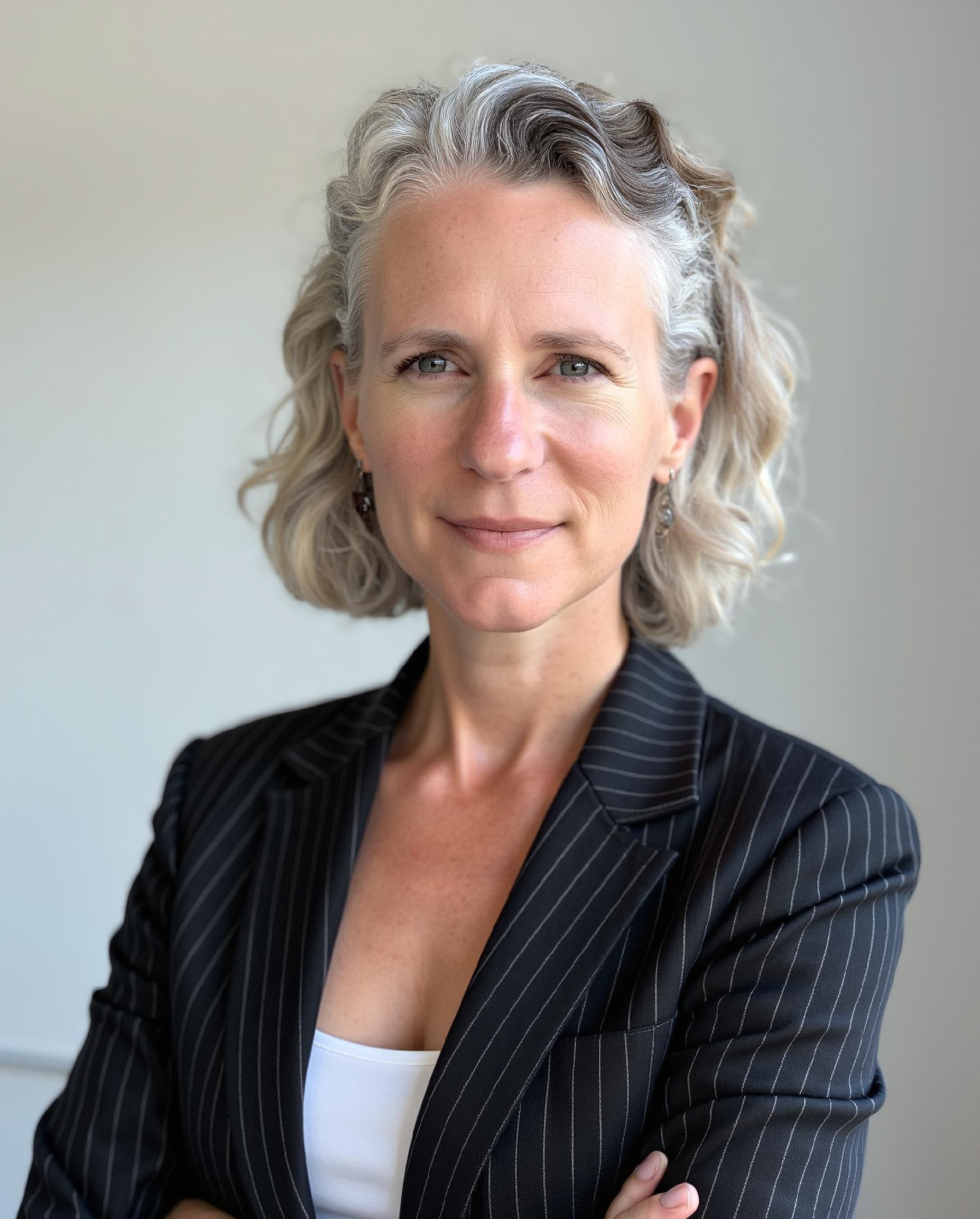
“Bethany’s lifelong commitment to unlocking potential for underserved groups has opened countless doors of opportunity,” said Eric Bridges, AFB president and CEO. “We’re excited about the opportunity AFB now has under her leadership—not only to strengthen our existing workforce programs, but also to identify new areas of programmatic growth across the blindness field.”
As Vice President for Programs, Johnson serves on AFB’s Senior Leadership Team, providing strategic direction and administrative oversight for a range of initiatives. This work includes the AFB Scholars Program, AFB’s Digital Accessibility Bootcamp, and other programs impacting leadership, education, and employment.
“After several months settling into my new role, it’s been an absolute privilege to work so closely with these incredible students,” said Johnson. “Their talent, determination, and vision remind me why AFB’s mission matters so much. When we invest in people, we create endless opportunities—for individual success and for a more inclusive world.”
Prior to joining AFB, Johnson served at the Overbrook School for the Blind, where she led workforce readiness and mentoring programs for blind and low-vision youth across Pennsylvania. Earlier in her career, she directed operations and workforce development programs at ReSOURCE, a Vermont-based nonprofit that empowers individuals with job skills that strengthen local communities.
Off the AFB Bookshelf
AFB Publications Spotlight Technology and Accessibility

AccessWorld
2025 was a special year for AccessWorld, AFB’s leading publication on digital inclusion and accessibility. Published quarterly by AFB, the online magazine recently celebrated its 25th anniversary. Readers can access the full AccessWorld archive for free on the AFB website. The publication also continues to reach new audiences through the AccessWorld Podcast, including a recent bonus episode on the magazine’s rich history hosted by former editor and founder Deborah Kendrick. Visit afb.org/AW to explore the archive and subscribe to the podcast on Apple, Google, or Spotify.
Journal of Visual Impairment & Blindness (JVIB)
Technology takes center stage in AFB’s flagship publication, the Journal of Visual Impairment & Blindness (JVIB). This winter, JVIB published two special issues focused on technology, offering a wealth of scholarly insight into how rapid technological advancements in recent years have impacted people who are blind or have low vision. Readers can access several free articles from these issues now on AFB’s website. Visit afb.org/JVIB to learn more.
AFB Cornerstone
AFB Trustee and Leader Dogs CEO Melissa Weisse
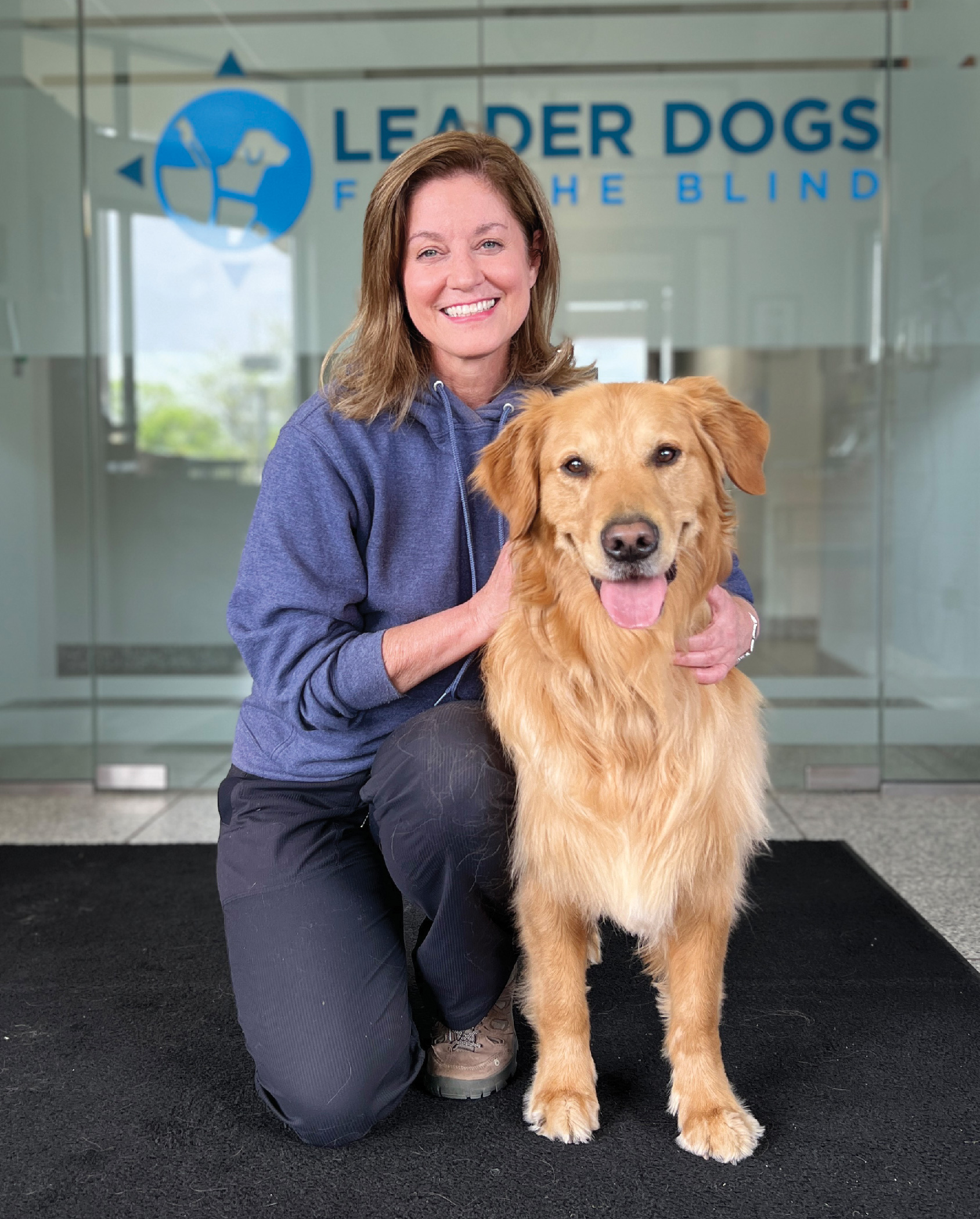
Melissa Weisse is the President and CEO of Leader Dogs for the Blind, a guide dog and orientation and mobility organization. Leader Dogs was born from Helen Keller’s challenge to Lions Clubs International members to become champions for people who are blind. As head of this international organization—and as Vice Chair of AFB’s Board of Trustees—Weisse embodies the spirit of advocacy Keller inspired nearly a century ago. Her journey from the auction rooms of Christie’s in London to the forefront of guide dog and accessibility work began with a simple act: volunteering.
What drew you to this work?
I was working at Christie’s, the London-based auction house, surrounded by humanitarians and philanthropists. Hearing them speak about the social sector was meaningful to me. When I moved back to the United States to be closer to family, I volunteered at the Canine Development Center at Leader Dogs for the Blind and became a puppy raiser. Through that experience, I learned about Leader Dogs programs, the philanthropic community, and the real impact of the mission. Advocating alongside Leader Dogs clients drew me to become an ally for this community. That led to a full-time role, where I brought my professional experience into Leader Dogs philanthropy.
How do your roles at Leader Dogs and AFB complement each other?
I was raised and educated internationally, and at Leader Dogs I represent a global community as I work with clients across the United States, Canada, and Spain. The work we are doing at AFB and Leader Dogs positively impacts people who are blind or have low vision no matter where they live. Serving on AFB’s board exposes me to extensive national advocacy efforts, which I can then bring back to our clients—sharing resources and amplifying advocacy within the Leader Dogs and broader guide dog communities. When we work together, the impact is so much more meaningful.
What legacy do you hope to leave?
I want to bring more people into the AFB mission and help guide dog organizations share the AFB story. The work AFB does benefits everyone. We need to collaborate more in storytelling and advocacy. My hope is to continue convening people and expanding the AFB community.