New Doors, New Locks
AI and the Daily Lives of Blind and Low Vision People
Supplementary Research | August 2026
This report explores AI and blindness based on data from the survey The AI Quagmire: Benefits, Risks, and Aspirations Through a Disability Lens. In the AI Quagmire, researchers from the American Foundation for the Blind surveyed U.S. adults with and without disabilities regarding AI's use and impact. Building on these insights, New Doors, New Locks highlights the experiences of blind and low vision (BLV) participants, asking what it means for BLV users to live in a world where AI is increasingly embedded in everyday life. AI's growing influence in mediating accessibility, shaping independence—either by enhancing or constraining it—and affecting daily participation renders it a tool that can either create more opportunities or impose additional, often unseen, burdens on BLV users.
NOTE: For citation of this report, please use afb.org/research-and-initiatives/ai-series/new-doors-new-locks
Download the New Doors, New Locks report or access all contents below.
Download the New Doors, New Locks Report
Authors: Angie L. Whistler, M.S.Ed. | Sarahelizabeth J. Baguhn, Ph.D. | William E. Hanuschock, Ed.D. | Mana Hashimoto, M.A. | Omar Khan, B.S.
Contributors: Carmel Heydarian, M.S. | Alyssa Shock, Psy.D. | Arielle M Silverman, Ph.D.
Table of Contents
Future Wishes and Recommendations
Language Note
In this report, we have used both person-first language (“people with disabilities”) and identity-first language (“disabled people”) when describing disability. This is an intentional choice meant to honor differing preferences within the broader disability community, an approach supported in research literature (e.g., Dunn & Andrews, 2015). In addition, we have used identity-first terms when specifically describing three disabilities: “BLV people,” meaning blind and low vision people; “D/HH people,” meaning deaf/Deaf and hard-of-hearing people; and “autistic people.” This choice reflects the strong preference for identity-first language voiced by many members of these particular communities.
Acknowledgments
We thank Sarah Malaier and Stephanie Enyart for developing the recommendations at the end of this report and for offering feedback on earlier drafts. We are also grateful to the working group of 19 disability organizations whose input shaped the survey questions and design. Finally, we thank the Ford Foundation for supporting the American Foundation for the Blind’s efforts on AI and workplace technology to ensure equal rights for people with disabilities.
Introduction
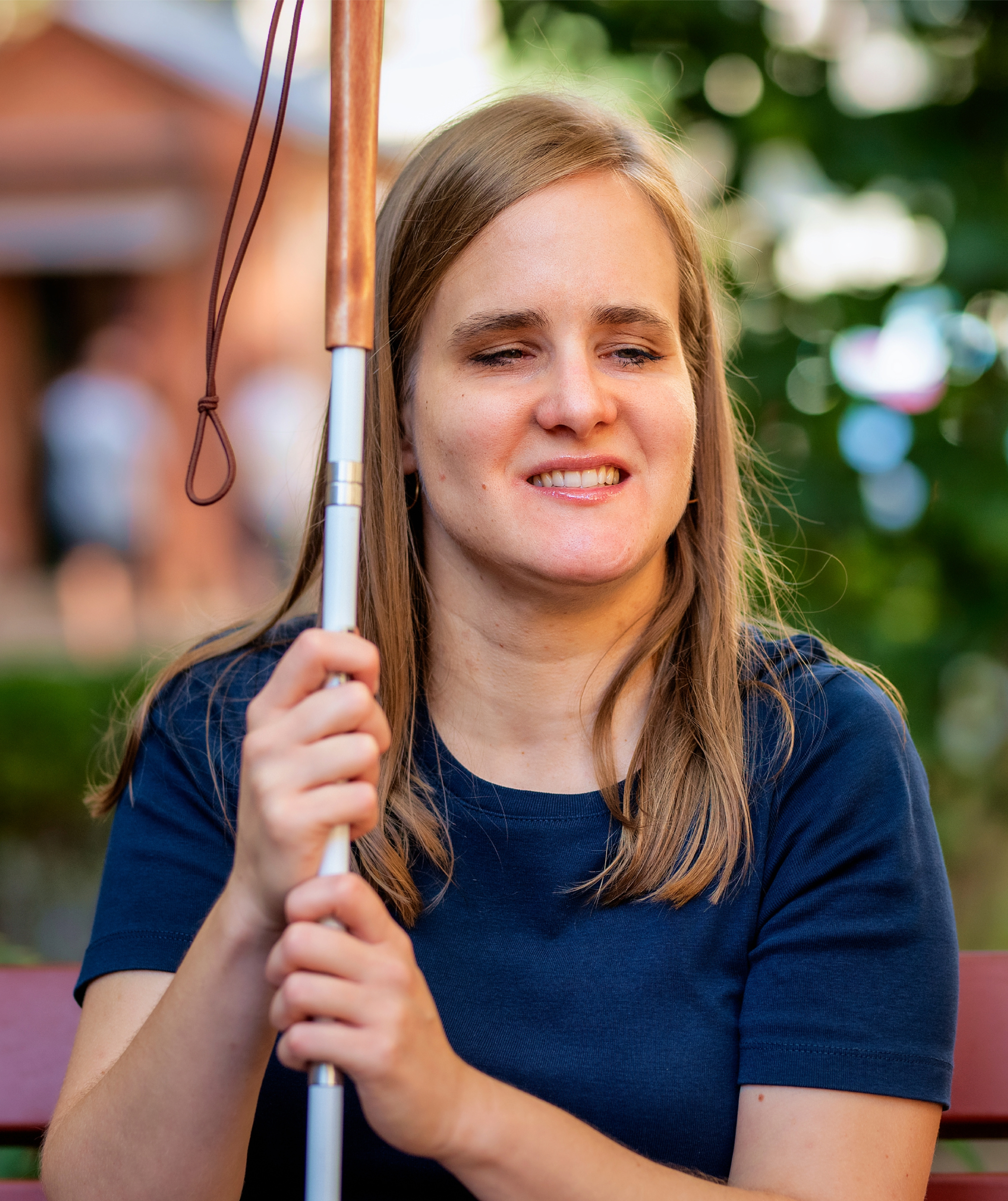
Artificial intelligence (AI) has moved rapidly from spectacle to structure. What once felt like experimental apps and software features now shape how people write, communicate, search for information, complete school and work tasks, navigate public spaces, and interact with institutions. Current public discourse often frames AI as a tool for convenience, speed, or innovation. However, for many disabled people, that framing has always been too narrow. For blind and low vision (BLV) people in particular, AI is not simply about efficiency; it is increasingly part of how systems mediate and integrate accessibility, how independence is built or constrained, and how everyday participation becomes either more possible or more precarious.
Building on the American Foundation for the Blind’s (AFB) broader paper, The AI Quagmire: Benefits, Risks, and Aspirations Through a Disability Lens (Silverman et al., 2026), this report centers on the experiences of BLV participants and asks what it means for BLV users to live in a world in which AI is increasingly woven into the ordinary mechanics of daily life. Specifically, it examines AI not as an abstract technological trend but as something encountered in the practical, repeated moments that shape a person’s day. BLV participants noted across many of our survey questions that AI tools are opening doors to several previously barred or difficult activities, such as reading a document, taking notes, applying for a job, completing schoolwork, navigating and getting around their community, or generally making sense of visual information. Yet, AI software and app features can also limit accessibility or require sacrificing personal information and privacy unique to BLV experiences, locking BLV users out of the ease and access that sighted users have.
AI is promising for BLV users, but it will not deliver that promise in its current bounds and settings. AI is already opening doors to information, learning environments, workplaces, public spaces, and systems that designers have too often built around sighted assumptions. However, lacking intentional design, these tools can shift hidden labor onto BLV users, demand trust without transparency, and reproduce old barriers through new automated systems. The central question is not simply whether AI can help BLV users, but whether policymakers, developers, educators, employers, and institutions will build the conditions that turn access into equity. As AI increasingly shapes how people learn, work, move, communicate, and access opportunity, decision-makers must make accessibility, accountability, privacy, and meaningful human recourse foundational. For BLV communities, the stakes are civic, economic, personal, and deeply human. Taken together, these discussions argue that accessibility cannot remain an afterthought in the age of AI. By shifting accessibility features from optional add-ons to standard features, AI apps and software can unlock new frontiers for BLV users.
Description of Participants
This report presents additional analysis of a dataset from a larger survey conducted by AFB (Silverman et al., 2026). The larger survey comprised 1,735 participants, including 1,070 with disabilities and 665 without disabilities. The current analysis focuses on the subsample of 368 participants who identified as BLV. Within the full sample size, 1,464 (84%) participants obtained education levels higher than a high school degree or GED equivalent, and 1,462 (84%) were employed, both above the national average. The BLV sample was compared to the 1,367 sighted survey participants to determine similarities and differences between BLV and sighted participants. For complete demographics and study methodology, please refer to our full whitepaper, The AI Quagmire (Silverman et al., 2026)
Study Findings
Autonomous Vehicles and Transportation
Participants clearly stated that new AI technology could not replace or remove our current transportation system’s needs and direction. Public transportation was a bright example of the importance of existing systems: 98% of participants, regardless of vision status, rated it at least “somewhat important.” In comparison, only 47% said the same about autonomous vehicle (AV) development. These findings indicate that future transportation funding and policy for public and private actors should prioritize public transportation and its facilities before directing their efforts towards new single-passenger infrastructure.
Public transit is the backbone of modern mobility. Across geography and community, it supports everyone's ability to move through their lives, including and especially BLV riders who depend on buses, trains, and walking routes to access work, healthcare, school, and community life. Disability status and nondriver status reinforced this perspective: 96% of BLV participants assessed public transit as extremely important. These numbers show that "either/or" thinking is not useful in real life. Communities can pursue innovation while still protecting the basic promise of transportation: regular service, usable information, and dependable access for all populations.
One BLV participant described what that looks like at street level:
I’d love to see bus and train public transit always have an automated announcement system that announces upcoming streets and stops. This is quite [inconsistent] with human [public transportation] drivers. These announcements need to be always available and loud enough for people to hear.
Another BLV participant described how AI already helps them fill in those gaps in orientation by identifying signs and landmarks when they reach an unfamiliar corner:
Some types of AI… are already making public transit and walking easier… [i]f I'm not sure what building or street I've come to, I can open [a tool] and scan the signs around me.
These requests indicate a straightforward truth: people do not just need vehicles or transportation to arrive at their destinations; they need clear information and instructions in accessible formats, consistently, every day, that help them navigate easily.
When participants talked about AI’s role in the future of transportation, they offered a “show me it works” stance. Asked whether AI will improve public transit in the future, BLV respondents were more optimistic than sighted participants, with 68% saying yes, 24% unsure, and 8% no. In their open-ended comments, BLV participants voiced strong support for transit investment for both AVs and public transportation. People want AI to enhance the everyday experience of moving through the world, especially by providing clearer, more consistent travel information and new opportunities for autonomy and independent mobility.
The promise and prerequisites for AVs create a tension. BLV participants were the most enthusiastic disability group regarding AV development and implementation across the country, with 47% rating AV expansion as extremely important and 74% at least somewhat important, compared with 12% and 41% among sighted participants. Many BLV people often face unreliable or exclusionary transportation options due to limited access to driving and cars in the United States’ car-heavy transportation system.
Several participants linked the AV promise to fairness and dignity, especially around rideshare discrimination. One participant noted, “I have heard stories from many of my colleagues who have guide dogs that Uber and Lyft drivers will decline their rides because of their dog. With services like [a locally available AV ride-share company], they do not have those issues.” Another BLV participant agreed: “This would be amazing for guide dog handlers, who tend to have massive issues regarding ride share and being denied for having a ‘dog’ with them.” Despite provisions in the Americans with Disabilities Act (ADA) stating that guide dogs cannot be denied entry into the vehicle and that this cannot be a justification for ride refusal, and that no pet-specific ride option is required, many participants shared stories of this service denial (Americans with Disabilities Act, 1990). As a result, participants associated AV expansion with greater access to ride-share and taxi services, especially those who could not be denied service because of their guide dogs.
A third participant captured the compounded barrier that shows up outside major cities, where limited service magnifies dependence:
We don’t have Uber, taxis, or a bus system […] I solely rely on my friends, and I look forward to the day when I can request a ride from an autonomous car […] Additionally, an autonomous vehicle won’t deny my guide dog and me a ride.
As such, transportation equity will require both enforcement of anti-discrimination laws and features, such as those that protect service animals, and equitable design so that new AI services do not reproduce the same discrimination through unusable or unseen features like account flags, customer ratings, or inaccessible app interfaces.
At the same time, BLV enthusiasm does not mean that current AV experiences meet BLV needs, especially regarding accessibility and costs. Among people who had ridden in an AV, 69% reported a fully accessible experience overall. However, BLV riders reported a strikingly different experience: only 49% of BLV riders said the experience was fully accessible, compared with 75% of sighted riders. Participants often reported problems with access during entry, in the vehicle, and at drop-off, such as finding the car, getting reliable pickup and drop-off behavior, receiving nonvisual cues, and using in-vehicle and in-app interfaces independently. As one BLV participant put it, “In a busy situation like an airport or after a concert, there needs to be an easy way for a blind or low vision user to find their automated vehicle accurately and efficiently.” On the other end of the ride, a BLV participant shared, “I've been dropped off nowhere near my actual destination more times than I can count. In the extreme heat with small kids. No amount of feedback I gave the company about this issue seemed to change anything, and I was an early beta rider too.” These transitions determine whether AVs function as an accessible transportation option or as a method that still requires outside help.
Affordability also shapes whether AVs can become a real mobility option or remain a one-time experience. When asked about affordability, only 38% of BLV riders and 36% of sighted riders said they could afford AV rides whenever they wanted or needed them. Occasional affordability was reported by 47% of BLV participants and 45% of sighted participants. The remaining 15% of blind and 19% of sighted participants said they could not afford to pay for another AV ride. Notably, because of the high educational attainment and employment rates in this sample relative to the BLV population in general, it is likely that the average BLV person in the general population will have difficulty paying for regular AV rides under current pricing.
Although BLV and sighted participants reported similar ability to pay for AV rides, a lack of affordability is especially important for BLV people because AVs are often more than just a convenience. When public transportation isn't available, they make it possible to work, get health care, and be a part of the community. The choices made by policymakers and buyers will determine whether AVs make it easier for everyone to get around or only for those who can afford them. If cities and states want AVs to help people with disabilities, they will need to treat AVs similarly to public transportation rather than as luxury rides by adjusting fares, providing subsidies for disabled users, and offering additional, accessible service features.
Finally, multiple BLV participants pointed to a regulatory reality that often sits quietly beneath the AV conversation: independence requires more than technology. It also requires rules that recognize nondrivers’ needs and allow BLV people to benefit from automation without forcing them into driver-centered frameworks. One BLV participant put it plainly: “We are years away because laws in the United States will have to change before [blind and low vision individuals] will be allowed to own and operate an autonomous vehicle independently.”
Across transportation responses, BLV participants indicated a want for AI innovation. However, they want it to land in the real world with usable features and not as a replacement for the services already in place. That means protecting and strengthening public transit first, and it means holding AV developers and policymakers to a higher standard: accessible, with curb-to-curb use, bias-free service that respects guide dog handlers, and affordability that makes independence routine rather than occasional.
Privacy
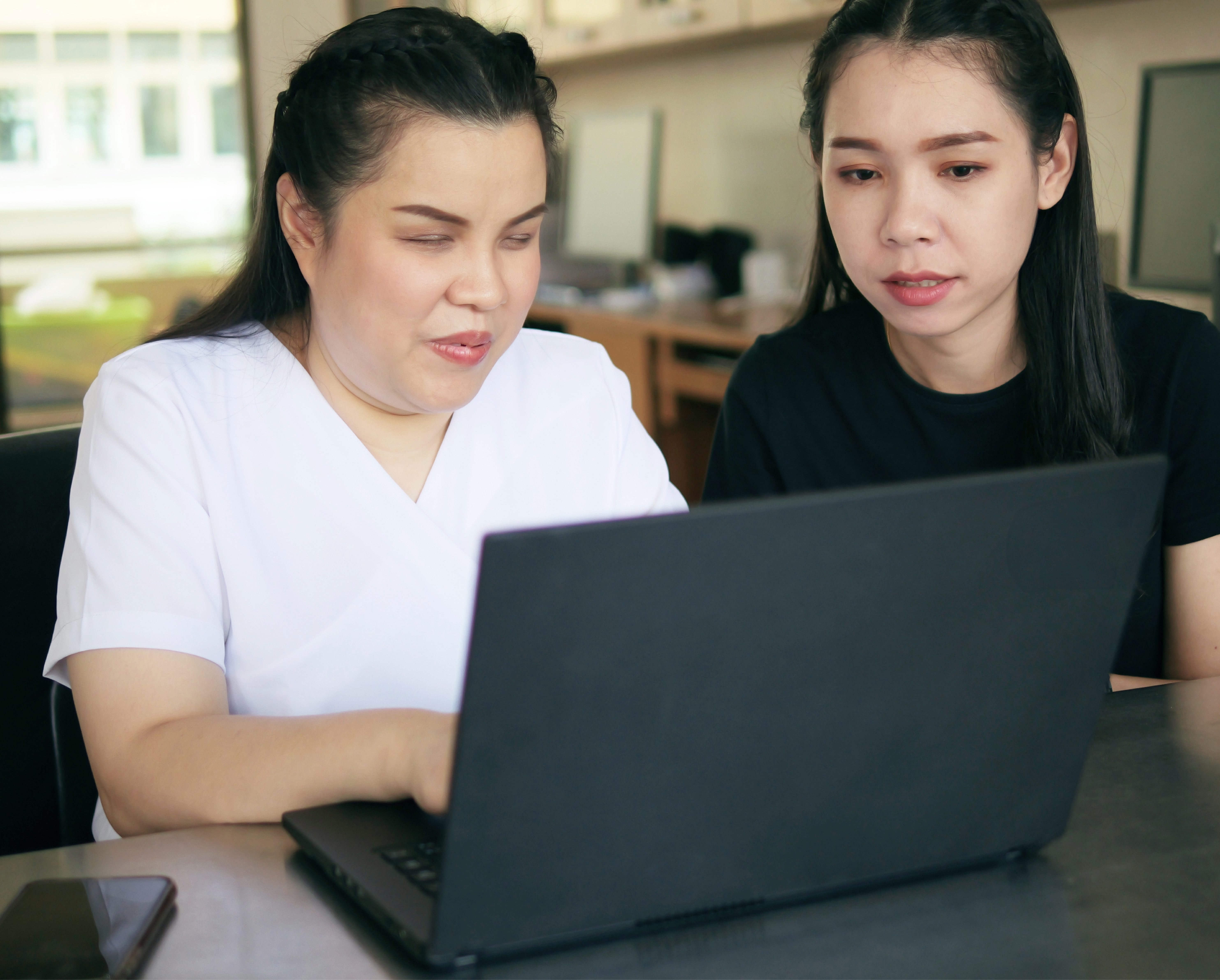
Participants were asked about privacy both as a measure of its importance and whether, and under what conditions, they might be willing to sacrifice it for greater independence. When asked whether they would prefer human or AI support when working with sensitive information like an account number, BLV people were significantly more likely to want to work with a human rather than AI (77% vs. 72% sighted). When evaluating whether AI is more or less private than humans, 55% of BLV participants felt AI was somewhat or much less private than humans, whereas 16% felt AI was somewhat or much more private than humans. When asked how they would prioritize independence against privacy, 39% of the BLV group felt independence was more important vs 20% of the sighted group. Alternatively, 24% of BLV respondents felt that privacy was more important than independence, vs. 43% of sighted respondents. Equivalent percentages (38% BLV, 37% sighted) felt that both independence and privacy were equally important.
When asked to share their thoughts on AI and privacy, 27% of people who wrote opinions shared concerns related to their personal information, where one participant shared, “There is no privacy with AI, and that has been shown again and again. Everything needs some privacy to function. The total lack of it with AI is abhorrent.” This was followed by 19% who wanted AI chatbots to display greater transparency about the data collected.
One participant stated, “I use as much precaution and care as possible when accessing/seeking information and use discernment to decide what and how much to share. The truth is that I really do not know who or which companies are collecting, saving, and then using data—even the terms and conditions provided for using an app can be confusing—I would greatly encourage services to state clearly whether data is saved or collected or sold or used in any way—which is very difficult to get now.”
Finally, 13% of write-in answers discussed concerns related to how companies utilize their private data, with one participant indicating:
I know that AI companies are using my data, and I have mixed feelings about it. I know that on the one hand they need to use it to train their AI models. But on the other hand, I do not like that some AI companies do not take personal information from your data. If they say plainly that ‘you shouldn't put personal info in your questions to the AI because we will have someone review it’, that means they are almost certainly selling it or somehow making extra money off of my personal info. I believe that companies need to start depersonalizing the data they receive and stop selling it to random companies who have no business with it.
When examining privacy, the majority of participants appeared hesitant and, overall, trusted humans more than AI chatbots. Historically, individuals in the BLV community have generally relied on sighted assistance for tasks such as reading mail. However, through advancements in assistive technology, they have gained increased independence. This general hesitation toward AI is understandable, especially when it comes to protecting personal information.
Written responses from BLV participants expressed concerns about their personal information, a desire for transparency in data collection, and a need to understand how companies use their private data. These concerns highlight a general desire to feel protected and also to want clarity about what happens after their data is entered into their devices.
Compared to privacy, participants in the BLV community also felt that their independence was important. The BLV community has worked to gain independence and overcome stigmas associated with needing sighted assistance. With continued improvements in AI software, along with increased transparency and stronger privacy measures, there is potential for increased adoption among the BLV community.
Visual Image Description
All participants were asked if they had used AI to “turn pictures into text; for example, to describe pictures or videos, or read text aloud.” This is referred to as AI visual description or image description. Most BLV participants (79%) used AI for visual image descriptions, as did 24% of sighted participants. Use cases for AI visual descriptions are shown in the following table.
Uses of AI Image Description Tools Among BLV and Sighted Users
| Visual Image Description Uses | BLV % | Sighted % |
|---|---|---|
| Reading text | 93* | 60 |
| Describing photos taken by yourself or others | 78* | 42 |
| Describing scenes (like what is around you) | 78* | 44 |
| Figuring out object details | 51* | 33 |
| Reading signs | 56* | 27 |
| Finding objects | 51* | 33 |
| Describing a video | 39 | 40 |
| Describing the mood or emotions of people in photos | 35* | 25 |
| Other | 13* | 7 |
| Note: An * denotes a significant difference between BLV and sighted groups. | ||
Daily and weekly use were significantly more common among BLV participants, with 50% (9% sighted) of the participants reporting usage at least once a day, followed by 36% (28% sighted) using it weekly.
Regarding the accuracy of the AI software for visual image descriptions, 61% of the BLV participants indicated it was mostly accurate, and 24% felt it was somewhat accurate. Only 10% of BLV users felt it was extremely accurate/near perfect, whereas 6% were unsure how accurate it really was. When asked how AI companies can improve visual descriptions, participants indicated four themes: increased accuracy concerns, feature suggestions, privacy concerns, and Increased Accessibility. Related to accuracy, one participant indicated:
Ai [AI] is based on how a photo is taken. Some photos are not taken well, due to the person's inability to take good photos, if they are blind, if the light isn't good, if the darkening sky poses an [issue]. AI guesses at what a photo is. It uses words such as ‘possibly’ [and] ‘It looks like.’ This confuses the person using AI. It doesn't give confident descriptions enough to be accurate.
Others made feature suggestions, such as one participant who indicated, “Make tutorial videos to help people learn to use it. We didn't grow up with this AI technology. I'm sure there are features I'm not aware of. For example, I'd like to learn about AI used for creating pictures.” Another prominent theme was privacy concerns, such as, “I suppose that it will get better as it develops, I just think privacy is super important and this definitely influences the choices I make.” Another indicated, “… confidentiality, privacy, and security are in question when reading personal documents or describing photos. I would much rather have a human perform these tasks. Getting more beta testing programs to test AI with daily tasks, improving hallucinations, perfecting and fine-tuning, getting AI used to reading and visual descriptions, and ensuring that AI does not save text unless it is too personal profiles of our choosing and that we consent to save it prior to reading the text. Would all help improve the service.”
Finally, some participants commented on the accessibility of visual description apps. One participant explained, “I would like instructions on how to make the image clearer. For example, move the camera left or right. Also I'm always being told there isn't enough light when I'm sure there should be. Turning on the flashlight of my phone automatically would be helpful since I am totally blind.”
An additional question was asked, focused on whether or not the participant’s visual description AI had made a mistake that hurt them. There were 61 BLV participants (21% of the BLV visual description users) who said yes, compared to 9% of the sighted users. When invited to elaborate, most participants described a specific error that impacted them. One participant wrote, “AI said that three cans were black beans when in fact they were diced tomatoes. I knew that at least one Ken [can] was diced tomatoes so I used a different device and app AI to double-check so it didn’t hurt me.” Other users described accessibility barriers, where one participant indicated the platform that housed the image description software “required excessive time to seek out that information in another way, sometimes not worth the effort and so I did not attend an event where the invitation was presented only as a photo/JPG.” Some users said visual description errors put their safety at risk, with one participant indicating, “I asked whether the crosswalk signal was Walk or Don't Walk. The AI told me it was walking, and a car came along at that point, and I realized it had hallucinated.” Another participant described multiple issues: "It provided too much opinion and not enough fact. It left out necessary details that were obvious to sighted people. It made things up and got worse and worse.”
Visual description users were asked if they would prefer a human reader or an AI tool to read sensitive information, like an account number. They first considered an on-device AI tool that did not store the image, and then they considered an AI tool that did save or share information. Participants in the BLV group were more likely to trust on-device AI that did not store data than sighted participants. In the case of AI that shared or saved information, both BLV and sighted users strongly agreed that a human is the more trustworthy reader for private data.
Preferences for AI Data Storage Where Sensitive User Data is Present
| Which would you prefer to read your sensitive data? | On-device AI that does not save data | Cloud AI that may save data | ||
|---|---|---|---|---|
| Response | Sighted | BLV | Sighted | BLV |
| A Human | 41% | 31%* | 77% | 82% |
| The AI | 59% | 69%* | 23% | 18% |
| Note: The * indicates statistically significant differences p<.05 | ||||
Overall, image descriptions play a vital role in the lives of the BLV community. AI provides access for tasks such as reading text, describing images, and describing scenes, ultimately providing access to the visual world daily. When examining what participants want from AI software to improve visual image descriptions, participants want increased accuracy, added features, addressed privacy concerns, and increased accessibility, all of which would help create a smooth, accurate, and overall functional user experience. Some visual description users also indicated barriers, such as inaccurate responses, accessibility barriers, and safety concerns. Each barrier is unique in its own way and limits users' overall access. By addressing these barriers through the needs identified above, AI software companies can develop and update accessible models to better support users within the BLV community.
Voice-Activated AI
Voice-activated AI (VAI) systems often serve as a primary access interface for BLV individuals, rather than merely a convenience feature. Participants answered a series of questions regarding their VAI use, including which tasks they use VAI tools for, how often they use them, how well their VAI understands them, and whether a misunderstanding has harmed them. From controlling home environments to retrieving information quickly and coordinating daily activities without reliance on visual interfaces, BLV participants have integrated VAI into a wide array of everyday sectors. Frequent use reflects participants' beliefs in VAI's role in supporting independent living and reducing reliance on sighted assistance. The following table shows the task use rates, broken down by BLV status, since BLV users had significantly different usage patterns.
Uses of Voice Activated AI Assistants by BLV and Sighted Users
| Use case | BLV % | Sighted % |
|---|---|---|
| Quickly searching the Web (like asking Siri a question) | 88* | 74 |
| Sending messages using speech-to-text | 81* | 55 |
| Starting and stopping routines (timers, alarms, reminders, etc.) | 81* | 59 |
| Playing audiobooks or music | 74* | 44 |
| Seeing the news, weather reports, etc. | 69* | 44 |
| Controlling appliances (like light switches, etc.) | 42* | 33 |
| Playing games | 25* | 8 |
| Other | 17* | 6 |
| Note: An * indicates a statistically significant difference | ||
BLV participants demonstrated intentional and strategic use of multiple VAI systems in response to task demands. For example, a BLV VAI user noted their thought process behind their VA selection as follows:
“I use Siri on the iPhone and Alexa on an Echo device, and they work very differently. Siri is more tightly integrated with the iPhone, so it can open apps, send messages, and handle settings, but it often struggles with follow-up questions and keeping context. Alexa is better at controlling smart home devices, answering general knowledge questions, and handling longer, multi-step requests, but it can’t manage my phone functions or read my messages. Siri feels faster for quick, device-specific tasks, while Alexa is more conversational and flexible for general information and home automation.”
As demonstrated by this quote, different platforms were selected based on speed, reliability, and compatibility with other technologies, such as smart home devices or information queries. Concerns also emerged around how reliably these systems interpret and respond to user requests, as noted by this BLV user’s experience: “I really hate it when programs are incompatible, as when I am trying to dictate an email through Gmail, but its word prediction interferes with what I'm saying.”
BLV participants further noted that voice-activated AI does not always understand what they ask or respond accurately, which can make it harder to depend on it in everyday tasks. In this BLV user’s experience, VAI “doesn't always copy my messages accurately and doesn't stop listening when I'm finished. Sometimes it just doesn't answer my questions at all.” These combined responses reflect an adaptive approach toward VAI, in which BLV users actively navigate system limitations by distributing tasks across tools.
Note-Taking AI
AI-assisted note-taking is widely used among both BLV and non-BLV participants; however, its function differs substantially across groups. Participants who reported using AI tools for note-taking were asked how AI tools help with note-taking, whether they save time, how helpful they are, and for suggestions for improvement, among other questions. Both BLV and sighted participants generally agreed that AI saves them some or a lot of time (85%). BLV users found the AI tools more helpful than sighted users: 55% of BLV users rated AI as “extremely helpful” for writing and notetaking, compared to 47% of sighted users. For BLV individuals, note-taking AI operates as an accessibility tool that supports text production, reduces input or scanning effort, and improves interaction with written content.
BLV participants described using predictive text, grammar correction, and formatting assistance to compensate for challenges associated with screen reader navigation and typing accuracy. These features reduce cognitive and mechanical load, enabling more efficient participation in academic and professional tasks. AI was also used to adapt materials into more accessible formats, including restructuring text and generating descriptions that improve compatibility with screen readers. For example, one BLV participant noted:
Two features I find very helpful are autocorrect and predictive typing on my iOS and iPadOS devices, which save me the most time by correcting my errors as I type. Their near-seamless integration with the VoiceOver screen reader let me know when changes are taking place, when I have misspelled something and it has not been changed, or when suggestions are available.
At the same time, reliance on AI-mediated writing raises concerns about transparency and control. Both BLV and sighted participants noted that AI systems may alter phrasing or structure without a clear indication, making it difficult to assess accuracy or authorship. This creates a form of hidden intervention in which potential bias or misrepresentation is not readily visible to the user.
Participants similarly reported frequent use of AI for note-taking, emphasizing efficiency, productivity, and performance outcomes. AI was used to refine writing, identify errors, and improve academic results or time management. In these cases, AI functioned primarily as a tool for optimization rather than access. As one BLV participant put it:
Using threads for certain types of note-taking helps since the AI can stick to a certain style or language for meeting notes. It can also see trends in the thread, so it's better to surmise what is considered important to capture in professional meeting notes. I think doing a [checksum] at the end where AI provides topics you discussed during the meeting […] would help you be able to come out of the experience with more spot-on notes.
Automated Job Tests
BLV participants who reported job seeking in the past two years were asked about their experiences with automated job tests and interviews, regarding what they had encountered, whether the processes interfered with their existing computer configuration, how hard the tests were, and whether they ultimately got the job. 31 BLV participants took an automated test or interview while looking for a job. The most commonly encountered AI test tools were multiple-choice tests (28%), computer typing tests (17%), video interviews with an AI agent (17%), and image-based puzzles (11%). Among BLV participants, 26% rated the automated tests they encountered as very difficult, and another 26% reported them as somewhat difficult. The perceived difficulty was much greater than for sighted respondents (9% and 30%, respectively), which is understandable given that tasks such as visual puzzles are inherently problematic for blind job seekers. BLV participants were much more likely to feel unsure of how the automated tests may have been altering their computer and assistive technology setup, with 16% of BLV saying they were unsure compared to only 4% of sighted respondents being unsure, and the rest being confident that no operational changes were made. While the same proportion of sighted people had their computers modified during the assessment process, the impacts were quite different. Sighted respondents frequently reported changes to their system of the type ‘having to allow microphone and camera access’ while BLV participants said “The interview was inaccessible with JAWS, and the environment of the interview was hard to navigate.” or “[…]not accessible with my screen reader, so I required assistance.”
The outcomes of these job searches also differed. While the data are not robust enough to assert that AI tests and their accessibility are the only drivers of this difference, BLV users reported ultimately getting the job they were seeking 13% of the time, compared to 30% of sighted participants. The findings suggest that AI is becoming embedded in hiring processes. The forms of automation participants encountered were often poorly aligned with the realities of blindness and low vision. Video interviews that required respondents to position themselves within the camera frame, image-based puzzles, and systems that required accessibility software all reflect the irony of automation: systems intended to streamline decision-making instead create new work for the applicant. Blind and low vision participants were not simply completing the test. They were troubleshooting inaccessible interfaces, anticipating failure, modifying their usual computer setup, and sometimes relying on human assistance in order to participate at all.
Furthermore, automated assessments often require BLV job candidates to perform tasks irrelevant to the job requirements and force the candidate to alter their technological settings. While touted as anti-cheating measures, for our BLV participants, these changes presented accessibility barriers within the job application process and employment process. One BLV participant described one of the most concerning examples in our findings:
One of the companies I work with had an English-speaking test. The computer had stern warnings about having any other applications open on the screen. Therefore, I opted to close my screen reader, and hired a friend to click the necessary buttons with the mouse so that I could proceed to the next stage of getting a contract.
This job candidate in this example was not only forced to alter their settings but was also unable to independently complete essential components of the job selection process as a result of this inaccessibility. Further, BLV participants also faced barriers throughout the testing process itself. One user "was unable to accurately demonstrate my typing abilities since the accommodations were not accessible enough. The rest of their testing did not work for [them] either.” Tasks like analyzing images or positioning one’s face in a specific way in a video are likely not essential job tasks and are not relevant to the candidate’s qualifications for that job.
These findings also highlight that accessibility in hiring is not only about whether a platform technically functions with a screen reader or other assistive technology. It is also about whether the hiring process gives BLV applicants an equitable opportunity to demonstrate their qualifications. Our findings suggest that reluctance toward AI-mediated hiring may be a rational response to systems that repeatedly fail disabled people in high-stakes situations. The lower rate of successful job attainment among BLV respondents—13% of BLV participants received job offers vs. 30% of sighted participants—raises concern that inaccessible automated assessments may function as a gatekeeping mechanism, filtering out qualified candidates before they ever reach a human interviewer. Employers and developers should therefore move beyond general claims that AI hiring tools are “objective” or “efficient” and instead require accessibility testing of nonvisual alternatives, transparency about how automated decisions are made, and meaningful ways for applicants to request accommodations or challenge unfair results.
AI in the Workplace
When it came to the workplace, participants described AI use as a routine part of how they accomplish their tasks in modern workplace culture, as evidenced by questions such as "What type of AI do you use on the job?" "Does your employer provide the tools or have rules to limit AI use?” and “Does AI make your job easier or harder?” AI is increasingly woven into workflow management, quality assurance, and support features. Most commonly, regardless of vision status, respondents used AI for writing support (71%), research support (63%), and note-taking (44 %), and BLV respondents did not differ significantly on these mainstream uses. These “everyday” uses demonstrate the normalization of AI in work culture. Where BLV workers differ is in their higher use of visual description tools to describe images, with 59% of BLV workers reporting this use, compared to only 17% of sighted workers.
These differences suggest that AI can function as more than a productivity booster for some workers. It can serve as access support, especially when workplace information is presented in visual formats. The open-ended responses make that implication concrete. One participant explained that image descriptions often help them check how visual systems guide users on applications and computer functions. However, they could not even use the AI tool effectively because of workplace rules on what information they could share. Specifically, for this worker, “image descriptions [helped them] with [their] workflow,” but “if [they are] supposed to use verifiable contact info to complete certain flows, yet [are] also not supposed to upload that info to an AI tool…” it rendered their "accommodation no longer valid."
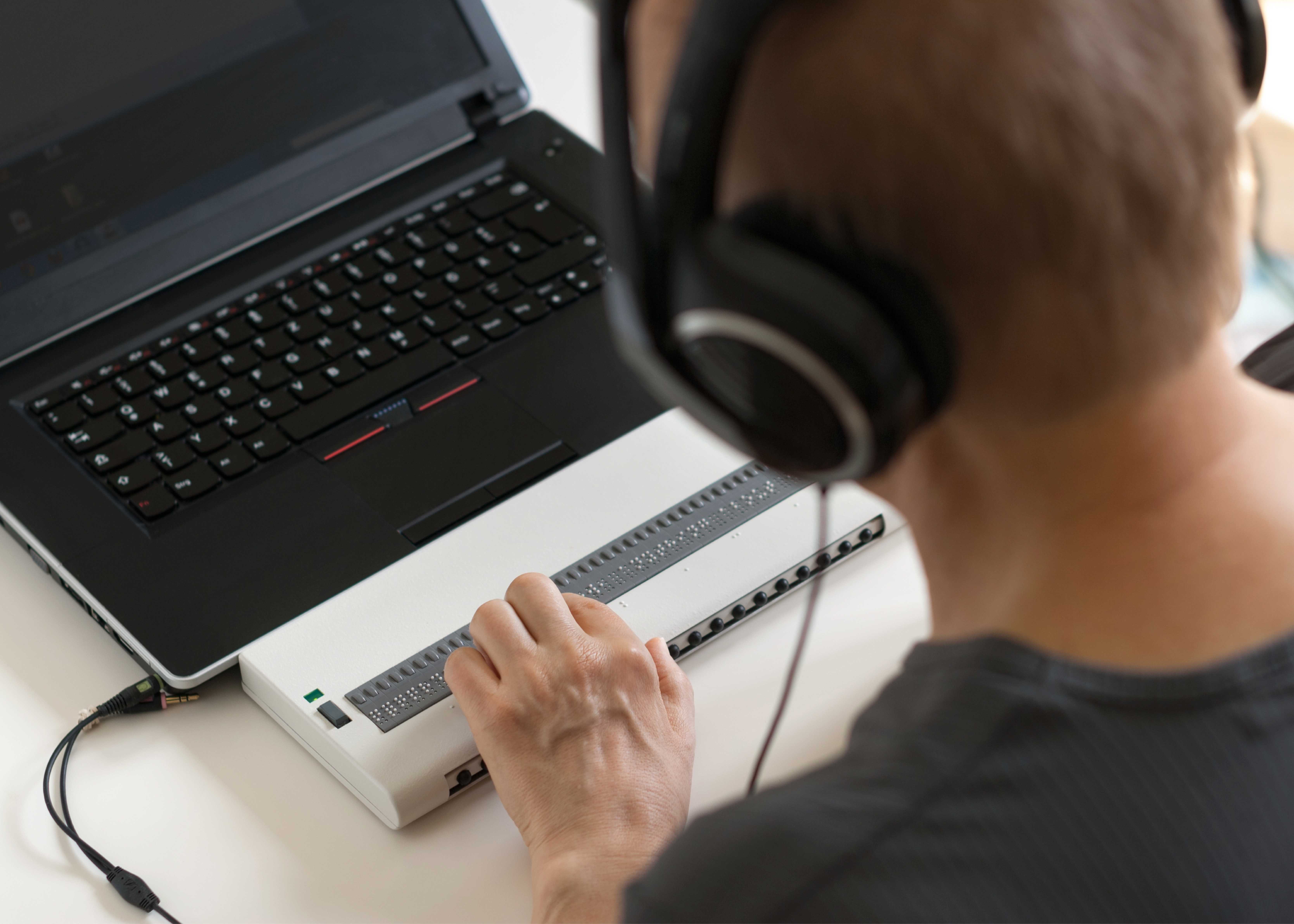
At the same time, respondents described workplace environments that look similar across groups: both sighted and BLV participants reported comparable levels of workplace-provided AI tools and formal AI policies, and both sets of respondents said workplace rules did not limit their job performance. The numbers and comments suggest that many organizations have begun creating general rules for AI use, but those rules may not always reflect the different roles AI plays across employees. Future workplace debates about AI should not focus only on whether employees are “allowed” to use AI. They should also ask who benefits from AI, who depends on it for access, and what happens when access is restricted. For employers, AI governance and accommodations managers need to balance interests between AI safety and AI usage because there may be situations where permitting AI tools makes more sense as an accommodation than limiting them, both from a cost perspective and from an efficiency perspective. For BLV workers, the stakes may be less about efficiency and more about workplace participation. AI opens new doors for useful resources that equalize the workforce without stigmatization or increased difficulties in obtaining an accommodation in the first place.
AI for Learning
Participants who had taken classes in the past two years were asked how they had used AI in learning, tools they wanted to use but were unable to, whether AI made learning easier, and whether AI served as a replacement for a human tutor. When participants talked about AI uses in learning settings, they described it as a practical support for the heavy demands of reading and writing, rather than a “new” or unusual tool.
Sighted and BLV learners reported similar use of AI across several core academic tasks. Many used AI to improve writing (69% of BLV learners vs. 74% of sighted learners) and to summarize readings or course materials (64% vs. 69%). Use of AI for note-taking in a course was also comparable, with 36% of both BLV and sighted participants reporting this use case. BLV learners also reported that AI made learning easier at a high rate (74%, compared with 61% of sighted learners). Additionally, several participants used AI note-taking and writing tools to reduce the effort required to produce clean, readable work under time pressure, including speed-support features such as predictive text. One participant explained that they rely on “predictive text features to help [them] type the next word or phrase more quickly,” which reduces the mental load of capturing information in the moment.
However, BLV participants frequently made the accessibility connection explicit, explaining that their most important educational use case for AI involved making materials workable with assistive technology: “[T]he most important use of AI in education for me is using it to make materials more accessible, especially in regards to screen reader compatibility and image descriptions. I also use a screen reader all the time and misspell a lot, so having it to fix formatting and spelling/grammar is important.” These comments suggest that, for many BLV learners and learners with other disabilities, AI supports “standard” academic tasks while also acting as a bridge when materials arrive in formats that are difficult to access quickly or independently, filling a needed technological accommodation gap.
Other learning uses were notable, suggesting potential discrepancies in access and usability across different tool types. Only 33% of BLV learners used AI as "someone to talk to," such as chatbots built into learning platforms, compared with 64% of other learners. While the quantitative results do not point to a single explanation, the qualitative comments suggest the possibility that some mainstream chatbot tools are not nonvisually accessible. As one higher education student put it, “There is a specific AI writing program used in schools, which my school is helping to pilot. It allows teachers to upload specific material and rubrics, and students can get immediate and targeted guidance on their writing to improve/correspond to the rubric, but my screen reader doesn’t even work with it.”
Overall, these results serve as a warning flag for educators: adding AI features to a learning platform does not guarantee that everyone, especially BLV students, can use it fairly, and AI should not be the only technology available to BLV students. Schools and vendors need to ensure that AI tools work seamlessly with screen readers and that device and network restrictions do not inadvertently block accessibility-focused use cases.
AI in Healthcare
Since AI is increasingly making health insurance decisions, all participants were asked if they had been denied a needed treatment in the past two years. BLV people did not report receiving denials at a higher rate than non-disabled people, although the whole group of people with disabilities certainly did. However, the impact of the denials was quite different for BLV people compared to sighted people. The BLV respondents were more likely to pay out of pocket all (58%) or part of the cost (20%) to obtain the healthcare that insurance declined. In contrast, sighted respondents were more likely to say their doctor simply would not perform the procedure or prescribe the medication after a denial (26% vs. only 12% of BLV). Notably, many of the sighted participants had other disabilities or chronic health conditions, and health insurance denials may look different for people with these conditions than for people with sensory disabilities. Alternatively, sighted participants may have received denials that covered alternatives or were considered non-essential. At the same time, BLV respondents were being denied treatments they could not go without, and thus they and their doctor had to accept an out-of-pocket cost for the treatment.
BLV individuals described mixed experiences with AI in healthcare and human services. While some tools made it easier to get information or manage tasks, many participants faced challenges when systems were not designed with accessibility in mind. Some reported difficulty understanding decisions about insurance or services, especially when those decisions were made through automated systems with little explanation. One BLV participant who believed AI had been involved in their healthcare decision noted:
A standing order for a chemo med I receive 4x a year for life was abruptly denied by Cigna. It is required for long-term pain and injury complication management, has been approved on an annual basis for the last 14 years, is expected to continue my whole life. And out of the blue they denied it claiming they didn't get the required information from the clinic. The doctor had already provided the information, we appealed, and a human approved 5 years of quarterly doses right away. They did not disclose or own up to an algorithm making a mistake.
Safety and privacy concerns also frequently emerged, as participants felt that AI systems could make biased decisions that are difficult to question or challenge due to a lack of transparency by the insurance providers. As noted by one participant, “[a]s a disabled person, it would bother me to need to sacrifice my privacy in ways a person without my disability wouldn't have to […] in particular because this would expose my personal information, perhaps related to my health or financial needs, that in the wrong hands could harm me.” Healthcare uses of AI should not require disclosure of private information, particularly disability-related information that is not relevant to the claim.
Future Wishes and Recommendations
At the conclusion of the survey, participants described what “better AI” should look like in everyday practice, and BLV respondents consistently framed the question as one of access and equity rather than as a product preference or a simple policy critique. More specifically, our BLV respondents offered future-facing recommendations with the underlying message that when AI becomes part of how someone reads, organizes, navigates, or communicates, performance issues in AI tools feel like staggering barriers to access and use for BLV users. For them, AI must build trust with its users through consistency, clarity, and predictability, not through novelty or flashy features.
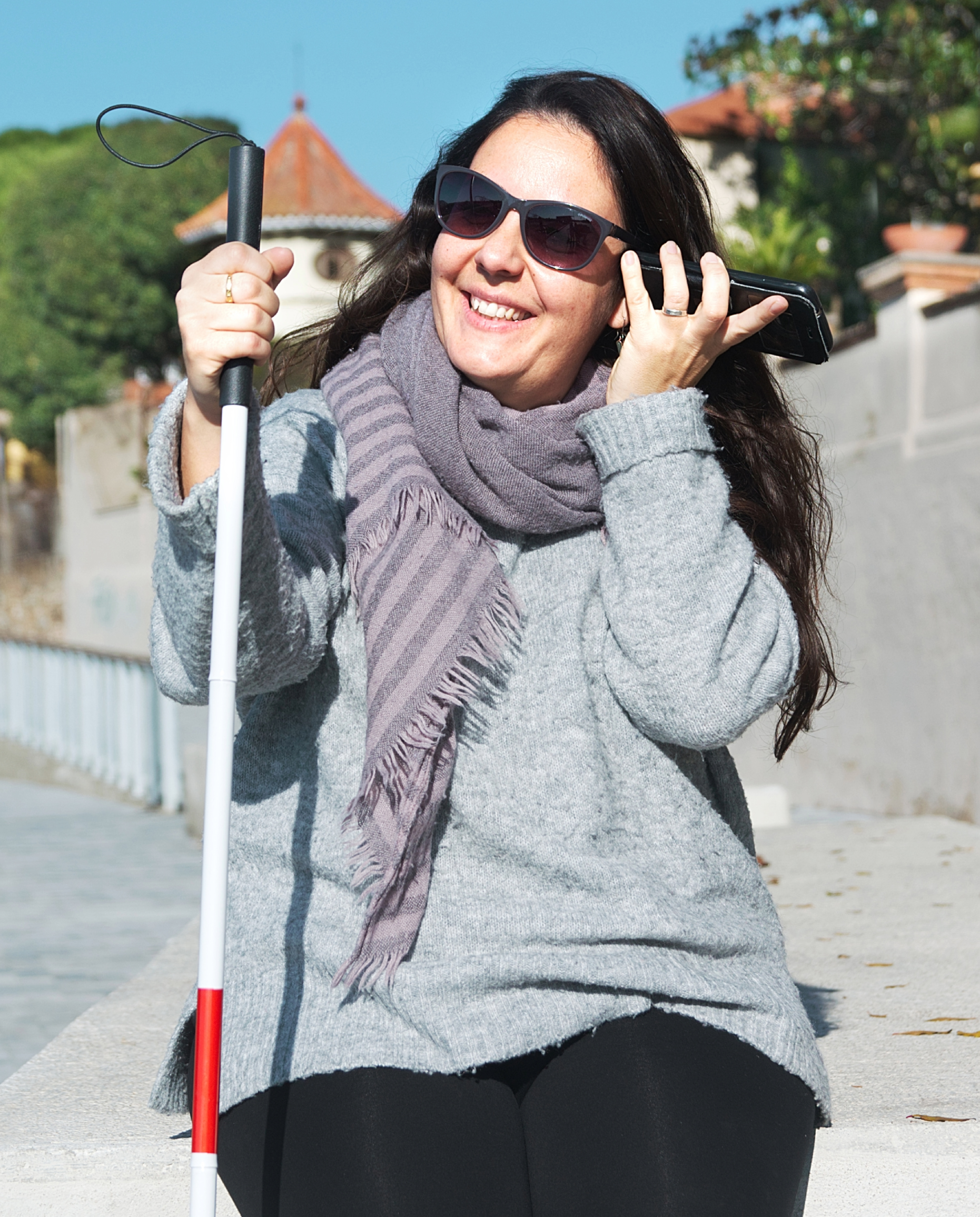
Across BLV responses, “improvement” meant both turning AI from a convenience layer into something closer to infrastructure and making general AI tools more accessible in their base features. BLV respondents focused their suggestions for improvement on the everyday mechanics of AI use: making tools easier to customize, more stable in different situations, and more responsive to the different ways people speak and work. Specifically, about one in four BLV respondents requested improvements and personalization options to make the product easier to use and more accessible. Participants want systems that learn with the user, understand what users like over time, handle different speech patterns and accents, and remain consistent across devices, tools, and situations. For example, this BLV participant summarized their AI wants:
AI would [meet my needs] if it could actually adapt more to individual users, such as learning my preferences, understanding different languages or accents better, and working smoothly across devices. I want more transparency about how my data is used and stronger privacy protections. Making AI faster, more accurate, and easier to customize would also improve it.
This illustrates a consistent response among BLV respondents, who ask for improvements that reduce verification labor and prevent AI from pushing extra work back onto the user. An accommodation system that works "most of the time" still forces BLV users to spend time checking, fixing, or finding workarounds for problems. BLV respondents repeatedly emphasized that reliability and personalization options are not “nice-to-have” features but are requirements for true accessibility in AI applications. Usability features must come from the core components and available options, regardless of the AI system's iteration. If this is not the case, AI risks eroding trust and merely shifting frustrations into a new form, which policymakers and developers should avoid by prioritizing core reliability.
The most foundational shift is one of sequence. Accessibility must be treated as a requirement in AI development from the outset, not as a feature added after launch. Participants across domains reported that tools required substantial labor to verify and correct. For BLV users, partial functionality shifts effort onto the person least able to check whether the system got it right visually. Federal and state policy should require that AI systems deployed in public-facing contexts meet established accessibility standards before release, with ongoing conformance testing that includes disabled users.
BLV feedback also broadened the conversation beyond performance to governance and policy. A smaller but persistent subset of responses stressed that accuracy alone cannot protect people when institutions treat AI outputs as final, especially in high-stakes systems where individuals need a meaningful way to correct or challenge errors. One participant illustrated this through an insurance denial and argued for a human review layer before decisions become binding: “I think AI can be a great tool in a lot of situations, but I still believe there are sectors where it just doesn't belong, or shouldn't be fully relied on… At the very least, I think a human should be manually reviewing denied claims before a final decision is made to ensure that AI was accurate in its decision.”
At the same time, many BLV participants described the most sustainable role for AI as supportive rather than authoritative. They use it to get a starting point, organize thoughts, or draft an outline, while keeping judgment from the user:
“I think that AI has its place… [I]t’s a nice place to start… I like having the option to open ChatGPT to complain to it… I don’t think that it should be relied on completely to perform tasks, but… it’s useful. And starting points to jump from.”
Our findings show that BLV participants want AI that works accessibly and consistently enough to rely on, and they want systems and policies that preserve transparency, privacy, and recourse when AI influences decisions that shape everyday life.
That principle extends into every domain discussed across this report. Running beneath all of these recommendations is a question of who shapes AI policy in the first place. BLV participants did not offer vague hopes. They described specific, actionable gaps rooted in daily experience. Policymakers, standards bodies, and technology companies should formalize the inclusion of disability communities in the design, testing, and oversight of AI systems, not as a single review before launch but as sustained engagement across a product or policy's full lifecycle.
AI is already embedded in the ways BLV people read, work, learn, travel, and access services, yet the policies and governance structures surrounding AI have not kept pace with this reality. When AI functions as infrastructure rather than convenience, gaps in accessibility, transparency, and accountability carry a different weight. A voice assistant that misidentifies a street sign is not a minor inconvenience for someone who cannot visually verify the answer, but a possible physical danger. An automated hiring screen that cannot be navigated with a screen reader does not merely slow a candidate down; it locks them out of employment opportunities. An AI image description that misreads a medication label could lead to missed doses or overdosing. For BLV communities, when that infrastructure is inconsistent, inaccessible, or opaque, the cost is measured in lost independence, foregone opportunities, and compounded exclusion. To keep the doors of innovation open, blindness advocates must continue promoting awareness of their lived experiences with this powerful emerging technology.
References
Americans With Disabilities Act of 1990, 42 U.S.C. § 12101 et seq. (1990). www.ada.gov/pubs/adastatute08.htm
Silverman, A. M., Whistler, A. L., Shock, A., Heydarian, C. H., Baguhn, S. J., Hanuschock, W. E., Hashimoto, A., Khan, O., & Vader, M.-L. (2026). The AI Quagmire: Benefits, Risks, and User Aspirations Through a Disability Lens. American Foundation for the Blind.
Suggested Citation
Whistler, A. L., Baguhn, S. J., Hanuschock, W. E., Hashimoto, M., & Khan, O. (2026). New doors, new locks: AI and the daily lives of blind and low vision people. American Foundation for the Blind.
COVER IMAGE CREDIT: Disability-inclusive stock photography from the inaugural All in Frame Collection. Photograph by Justin Kaneps.